Niacinamide and Fruit Acids Transform Shower Gel Market
 By Quan Wenjun
5 min read
By Quan Wenjun
5 min read
Newer data: Skinification Drives Body Care Ingredient Revolution in China
Executive Summary#
Amino acid shower gels grew 12.7% YoY to CN¥ 580 million while whitening shower gels grew 64.9% YoY on a leading Chinese marketplace[1], as the "ingredient party" phenomenon moves from facial skincare into body cleansing. Fruit acid shower gel sales rose 64.37% YoY and sulfur-based formulations grew 332.79% YoY, which shows that by 2023 Chinese consumers were judging body cleansing products by the same knowledge of ingredients that they apply to facial skincare[2]. This analysis examines which active ingredients are driving growth and how efficacy-led positioning is changing the CN¥ 100-150 price segment, and sets out the opportunities for brands with proven R&D capabilities.
Download Full Report#
Get the complete analysis with additional data, methodology details, and brand-level insights.
Download the Full Q2 2023 Body Cleansing Market Whitepaper ->
Active Ingredients Migrate from Face to Body#
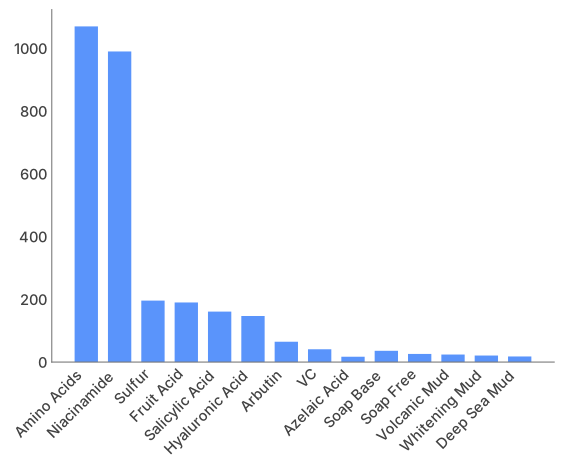
The move of skincare-grade active ingredients from facial care into body cleansing products is a structural change in the category. Consumer data shows that amino acids lead ingredient mentions with 1,070 references, which reflects consumers' preference for gentle surfactants that protect the skin barrier. Niacinamide follows at 990 mentions on the strength of its established reputation as a whitening and brightening ingredient in facial care.
Mentions of sulfur, fruit acid and salicylic acid (196, 190 and 161 respectively) point to growing demand for active ingredients marketed for acne care and exfoliation. Hyaluronic acid, at 147 mentions, shows the moisturisation trend extending from facial serums to body products.
Amino acids and niacinamide lead active ingredient mentions in shower gel
Functional Ingredients Drive Sales Growth#
Bath products have moved through stages of basic cleansing, nourishment, mildness and sterilisation claims, and the current stage centres on efficacy driven by active ingredients. Among the functional ingredients that performed well in the MAT2023 period, sulfur recorded the highest growth at +332.79% YoY, on the popularity of sulfur liquid soap products from Shanghai Medicinal Soap and Tongrentang. Fruit acid grew 64.37% YoY, the highest among the major active ingredient categories after sulfur.
Key functional ingredient dynamics include:
- Niacinamide: CN¥ 3.36 billion in sales (+45.47% YoY), with products such as Olay's niacinamide shower gel bringing a familiar facial-care ingredient to body wash
- Fruit acids: CN¥ 2.71 billion (+64.37% YoY), with KIMTRUE positioning its 5.5% fruit acid complex in the premium segment
- Salicylic acid: CN¥ 1.04 billion (+50.93% YoY), with products such as Neutrogena's 2% salicylic acid body wash
- Sulfur: CN¥ 1.97 billion (+332.79% YoY), as positioning close to traditional Chinese medicine appeals to health-conscious consumers
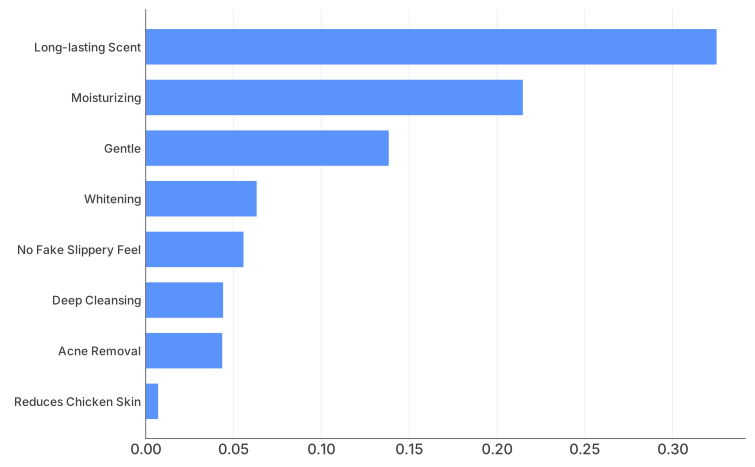
Long-lasting fragrance, moisturizing, and gentleness top consumer efficacy expectations
Concept Sales Reveal Where Growth Concentrates#
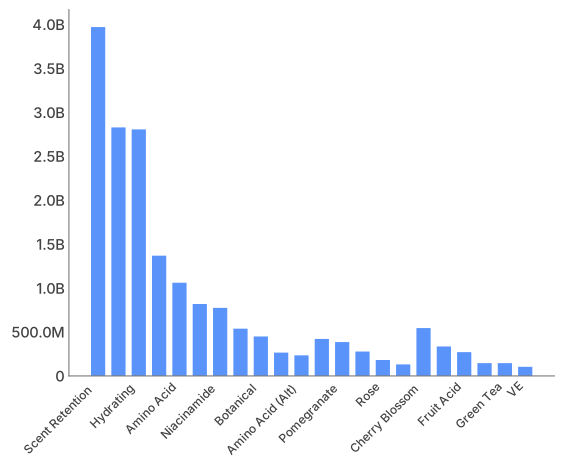
An analysis of shower gel product concepts with sales above CN¥ 100 million shows that concepts related to fragrance account for the largest sales, while active ingredient concepts grow fastest. Scent retention is the largest concept at CN¥ 3.97 billion in sales, while oil control grew 98.68% YoY, fruit acid 64.37% and VE (vitamin E) 50.93%.
Fragrance-related concepts dominate sales while active ingredients drive growth
Emerging Ingredients Point to Future Growth#
Among concepts with sales between CN¥ 10 million and CN¥ 100 million, natural and health-oriented keywords grew fastest. Hyaluronic acid products reached CN¥ 85.9 million (+413.2% YoY), while products with health-related keywords reached CN¥ 91.1 million (+140.9% YoY). Premium botanical ingredients including avocado, squalane, truffle and goat's milk all grew by more than 200% YoY, which points to consumer appetite for natural, premium ingredients in body cleansing.
In the CN¥ 1-10 million sales tier, the earliest signs of growth are just as strong:
- Bamboo charcoal: +3,294.7% YoY
- Clove: +2,042.3% YoY
- Honey: +167.4% YoY
We believe these ingredients point to growing consumer interest in natural ingredients close to traditional Chinese medicine for body care, and brands with the R&D capability to formulate products around them can gain an early advantage.
Segmentation Confirms the Shift to Ingredients#
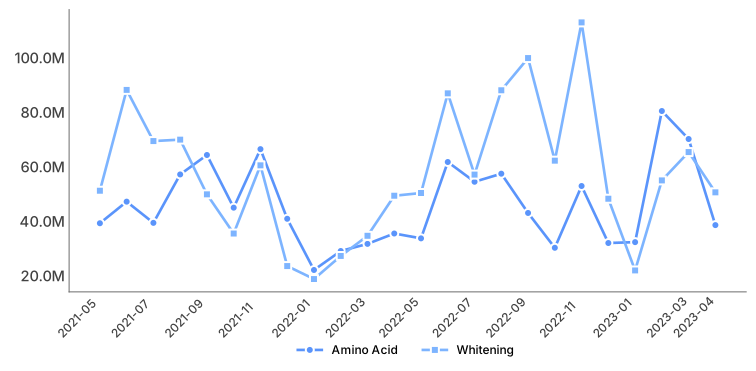
Whitening and amino acid shower gels show sustained upward trajectories
Key Takeaways#
- Amino acid shower gels grew 12.7% YoY to CN¥ 580 million, which reflects consumer demand for gentle cleansing that is kind to the skin
- Sulfur-based shower gels grew 332.79% YoY to CN¥ 1.97 billion, the fastest-growing ingredient category, on positioning close to traditional Chinese medicine
- Fruit acid shower gels grew 64.37% YoY to CN¥ 2.71 billion, with premium formulations from brands such as KIMTRUE and mass-market products from brands such as Safeguard
- Oil control concept sales nearly doubled (+98.68% YoY), which shows that consumers want targeted solutions beyond basic cleansing
- The CN¥ 100-150 price segment grew about 40% YoY, which reflects consumers' willingness to pay for formulations built on efficacy
More from This Report#
## About the Data
This analysis draws on Moojing Market Intelligence data covering Q2 2023 (MAT2023: May 2022-April 2023). Sales figures come from a leading Chinese marketplace, and consumer sentiment draws on public posts on major Chinese social platforms and on e-commerce reviews. For full methodology and additional insights, see the complete Body Cleansing Market whitepaper.
This content adheres to Moojing's editorial standards .


