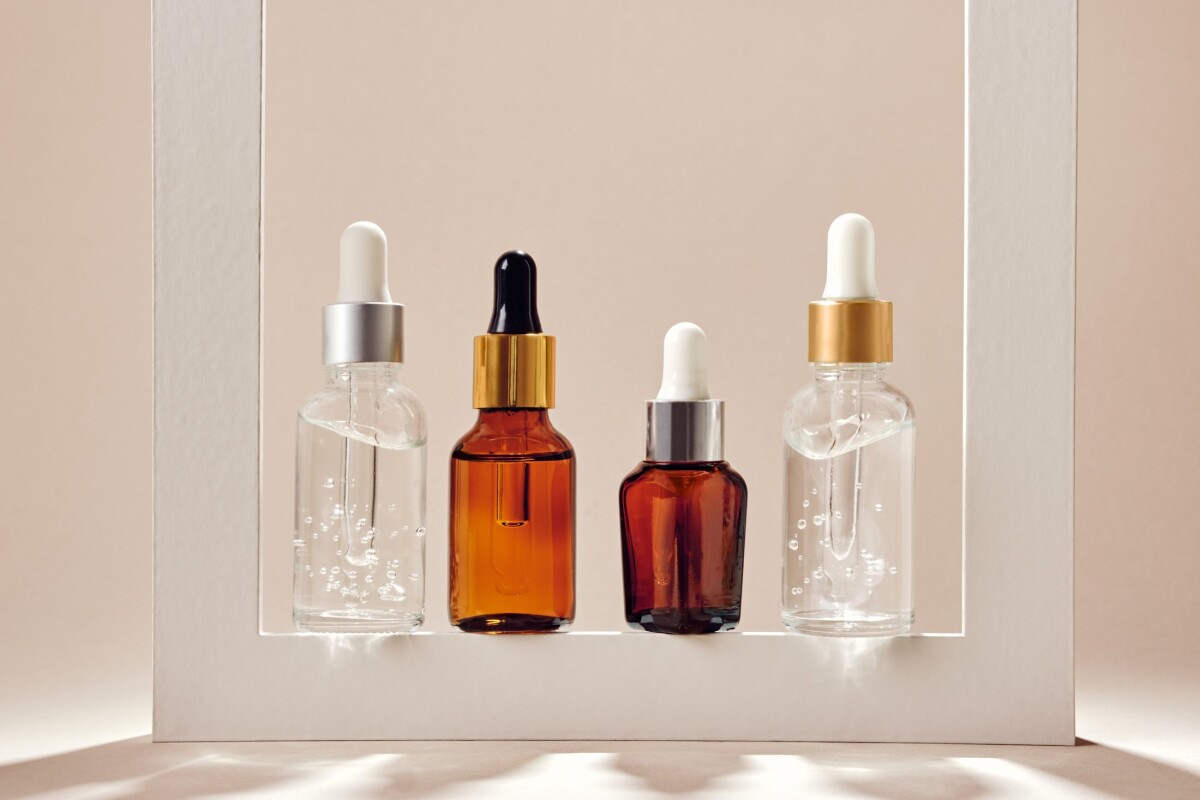
China's Online Sales of PDRN Skincare 2023–2026
Overview
Online sales of skincare named after PDRN across three of China's largest marketplaces, 2023 to 2026: sales, prices, claims, sources and social posts.
All reports follow our editorial standards and research methodology .
Key Findings
- Online sales of skincare named after PDRN rose almost fivefold in a year, while skincare as a whole was about flat. Listings with PDRN in their titles sold about CN¥ 2.2 billion across three of China's largest marketplaces in the year to September 2026, up from CN¥ 449 million a year earlier, and they grew on all three marketplaces. They are still a small part of skincare, at about 0.67% of its sales. One marketplace carried about four-fifths of the latest year's sales, and the measure is broad, since it counts every skincare listing that names PDRN in its title, gift sets included.
- The average price per unit sold fell by two-fifths as cheaper products spread. The combined average fell from CN¥ 259 to CN¥ 155 and units sold rose about eightfold. On the two marketplaces measured in both years, products priced CN¥ 200 to 399 fell from 55% to 30% of sales. Sales at CN¥ 400 and over still rose about fivefold on those two marketplaces, with gift sets carrying much of that rise. Brands with no PDRN sales on a marketplace a year earlier, established skincare brands among them, took about three-fifths of the latest year's sales.
- Fewer best sellers name salmon or borrow the language of clinics, and almost none name a new source. Listings that name salmon fell from 38% to 23% of best sellers' sales, and those using clinic words such as "water-light" (水光) from 47% to 35%. Ingredient makers in China and Korea now offer recombinant and plant-derived PDRN, yet listings naming either source made up about 0.1% of best sellers' sales.
- Posts about PDRN more than tripled across three social platforms. Posts mentioning PDRN rose from about 79,000 to about 252,000 a year, most of the rise coming from one platform where brand campaigns drive the peaks, so those volumes partly measure marketing. These are posts, not purchases.
- What we recommend. Brands should state the source and amount of PDRN, because the ingredient list may show neither and whatever they state must be true. We believe they should also keep the language of injections off labels and livestreams, and choose a clear price position now that CN¥ 200 to 399 is losing share. Ingredient makers should prepare in case recombinant PDRN gains ground on salmon.
Read the chapters
- What Is PDRN? From an Italian Drug to Chinese Skincare
- China's Online PDRN Skincare Sales Rose Almost Fivefold
- Average Online Price of PDRN Skincare in China Fell 40%
- Fewer Online PDRN Best Sellers in China Name Salmon
- Posts About PDRN in China More Than Tripled in a Year
- China PDRN Skincare Online: Four Moves for Brands
| Region |
China
|
|---|---|
| Industry |
Beauty & Skincare
|
| Report Type | Market Analysis |
| Pages | 31 |
| Language | en |
| Author | Moojing Market Research Team |
Frequently Asked Questions
It measures how quickly skincare named after PDRN has grown in China's online sales since 2023, what these products cost, what their titles say and how people talk about them, and it closes with four recommendations for brands and ingredient makers. Sales figures are for three of China's largest marketplaces, which are anonymised, and are not the size of any Chinese market, because physical stores, clinics and several other marketplaces are not included.
A skincare product whose title contains "PDRN". The measure is broad, because it counts gift sets that name PDRN as well as single products, and it leaves out products that contain PDRN but do not name it in their titles. It therefore measures products sold on the ingredient's name, and a narrower definition gives a smaller total. Most best sellers do not say where their PDRN comes from, so the report does not describe these products as containing any particular source.
No. It covers online sales of skincare, and nothing in it measures PDRN injections, clinic treatments or supplements. Injections appear only as part of how the ingredient reached skincare.
No. Nothing in the report is a claim about what PDRN or any product does to the skin. It describes sales, prices, product titles, posts and the rules that apply to cosmetics in China, and we make no finding on any listing.
From Moojing Market Intelligence: online sales across three of China's largest marketplaces from October 2023 to September 2026, modelled from observed listings and prices, and social listening on Weibo, RED and Douyin, which counts posts, not purchases. Figures from regulators and the press are attributed in the report's notes.
Related Reports

China Weight Management Industry Report 2023–2026
Online protein, diet and health-food sales and posts in China before and after the 2024 Weight Management Year, across three of China's largest marketplaces.

China's Analogue Economy: Fuse Beads, Bead Cafés and the Turn to Crafts and Hobbies
Fuse-bead sales on three of China's largest marketplaces rose from CN¥ 81 million to CN¥ 1.57 billion in a year, as crafts and hobbies took off.

H1 2026 Report: China's Beauty Market Analysis
China's online beauty sales held at CN¥ 434.8 billion in 2025 as content-led commerce rose to 55%. Price tiers, promotions and what grew in H1 2026.
Related Articles

China PDRN Skincare Online: Four Moves for Brands
Four moves for China's PDRN skincare: state source and amount, keep injection terms off labels, pick a price position, prepare in case recombinant gains ground.

Posts About PDRN in China More Than Tripled in a Year
Posts mentioning PDRN on Weibo, RED and Douyin rose from about 79,000 to 252,000 in a year, with most of the rise on Weibo, where campaigns drive peaks.

Fewer Online PDRN Best Sellers in China Name Salmon
Listings naming salmon fell from 38% to 23% of PDRN best sellers' sales across three large Chinese marketplaces, and clinic language fell to 35%.
See Our Data in Action
See how leading brands transform their market intelligence with Moojing.
Sportswear Brands
How leading sportswear brands use market intelligence in China
Haizheng Pharma
R&D optimization and international expansion with market intelligence
Need Custom Market Research?
Our research team can create tailored reports for your specific business needs.